
Currently, there are 1,121 properties on UNESCO’s World Heritage List, 53 of which are listed as “in danger”. The reasons include natural disasters, armed conflict and war, earthquakes, uncontrolled urbanization, pollution, poaching, and unchecked tourist development, to mention just a few. Unless strict measures are taken, this could mean that these historic relics will one day be completely destroyed and we’ll never be able to enjoy their beauty again.
Budget Direct Travel Insurance teamed up with architect Jelena Popovic and created a series of digital recreations to give us a rare glimpse at how some endangered World Heritage sites looked back in their prime – from Leptis Magna in Libya to the Portobelo-San Lorenzo fortifications in Panama. The results are mesmerizing!
Leptis Magna (District of Khoms, Libya)
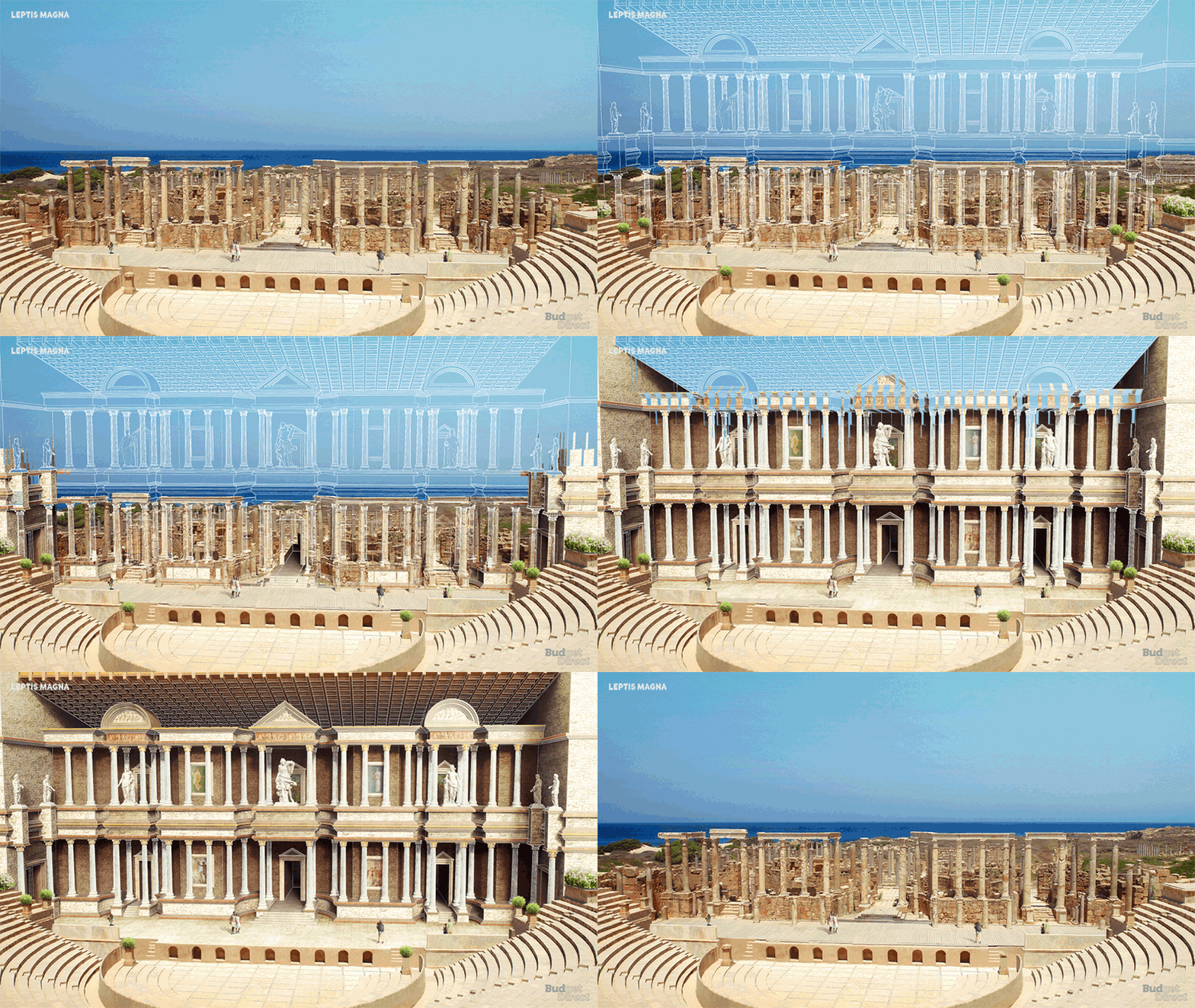
Forgotten for over 900 years, the ancient city of Leptis Magna was once considered to be one of the most beautiful cities in the Roman Empire. The Mediterranean city flourished under the reign of native-born Septimius Severus who was the Roman emperor from 193 to 211. The city’s gems include this theatre.
Hatra (Al-Jazīrah, Iraq)
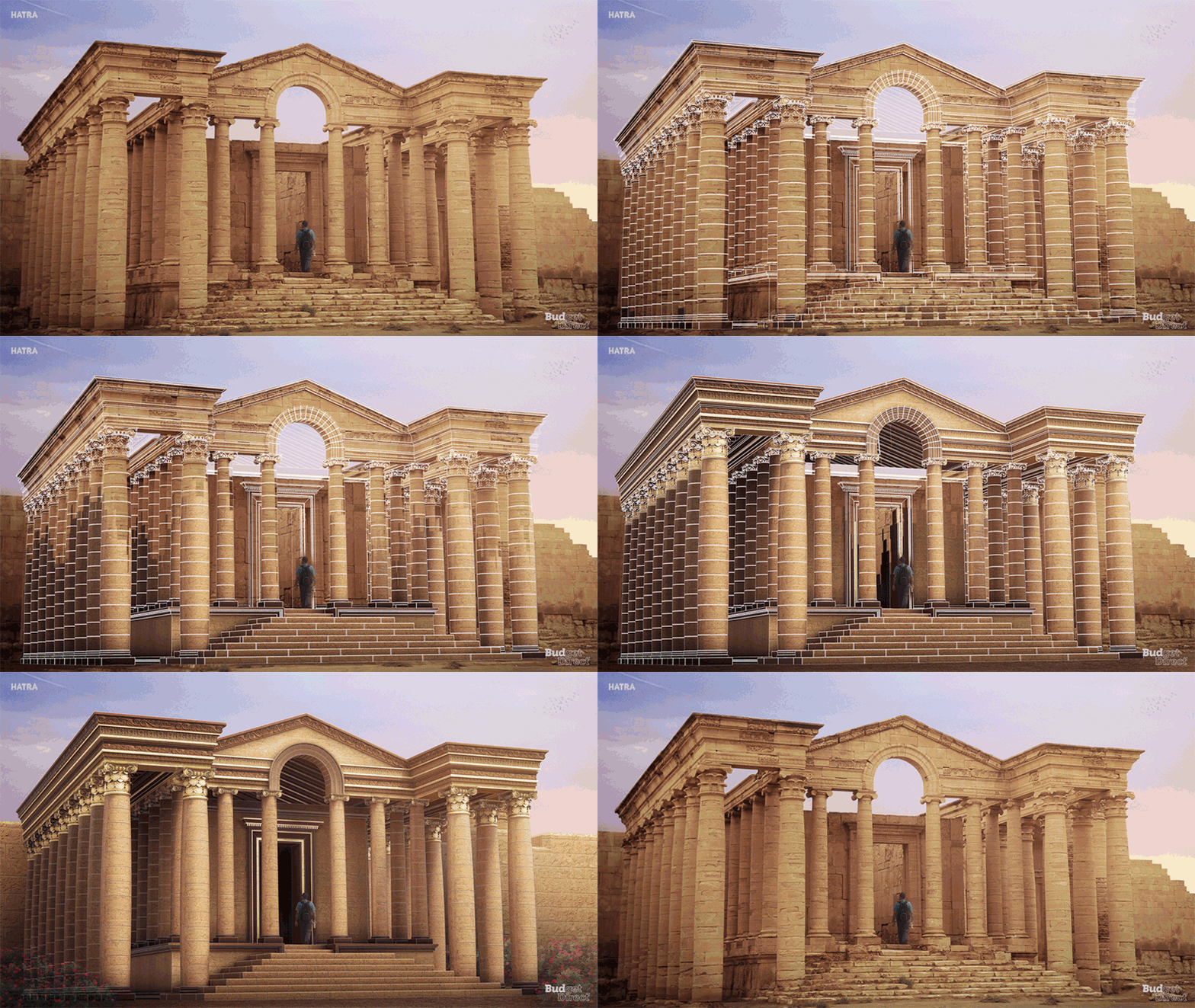
Hatra was the best-preserved ancient Parthian city – until recently. The fortress was built between the 3rd-2nd century BCE, protected by nearly four miles of inner and outer walls. It was the capital of the first Arab Kingdom, referred to as the House of God),due to temples celebrating Greek, Aramean, Mesopotamian, and Arabian gods. The city was destroyed by invaders in the 3rd century, and the impressive ruins were not discovered until the 19th century. In 2015, UNESCO added Hatra to its endangered list after Isis militants fired bullets into walls and towers and used sledgehammers to destroy statues they considered “signs of polytheism.”
Palmyra (Tadmur, Homs Governorate, Syria)
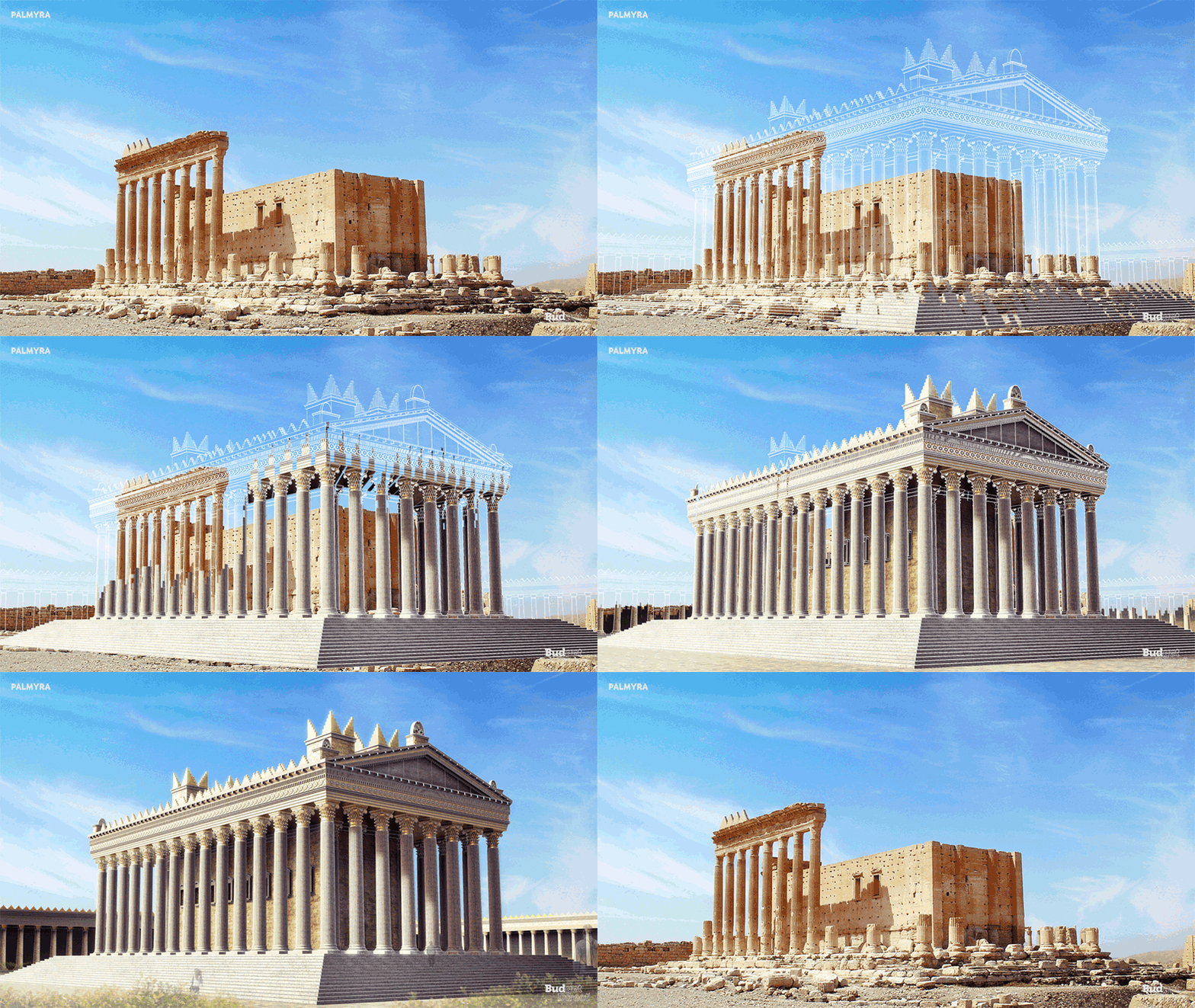
Originally a major caravan oasis for traders from Persia, China, India and the Roman Empire, the city of Palmyra made headlines in 2015 after being captured by the Islamic State (IS) during the Syrian Civil War. The militant group destroyed ancient sites, conducted mass executions and beheaded the head of antiquities of Palmyra when he refused to reveal the location of the city’s hidden antiquities. Unfortunately, the Temple of Bel, shown here, did not survive. In this digital reconstruction, the “before” refers to what remained of the structure before IS demolished it. A lone archway (in the back) and a portion of a pillar is all that stands today.
Nan Madol (Temwen Island, Federated States of Micronesia)
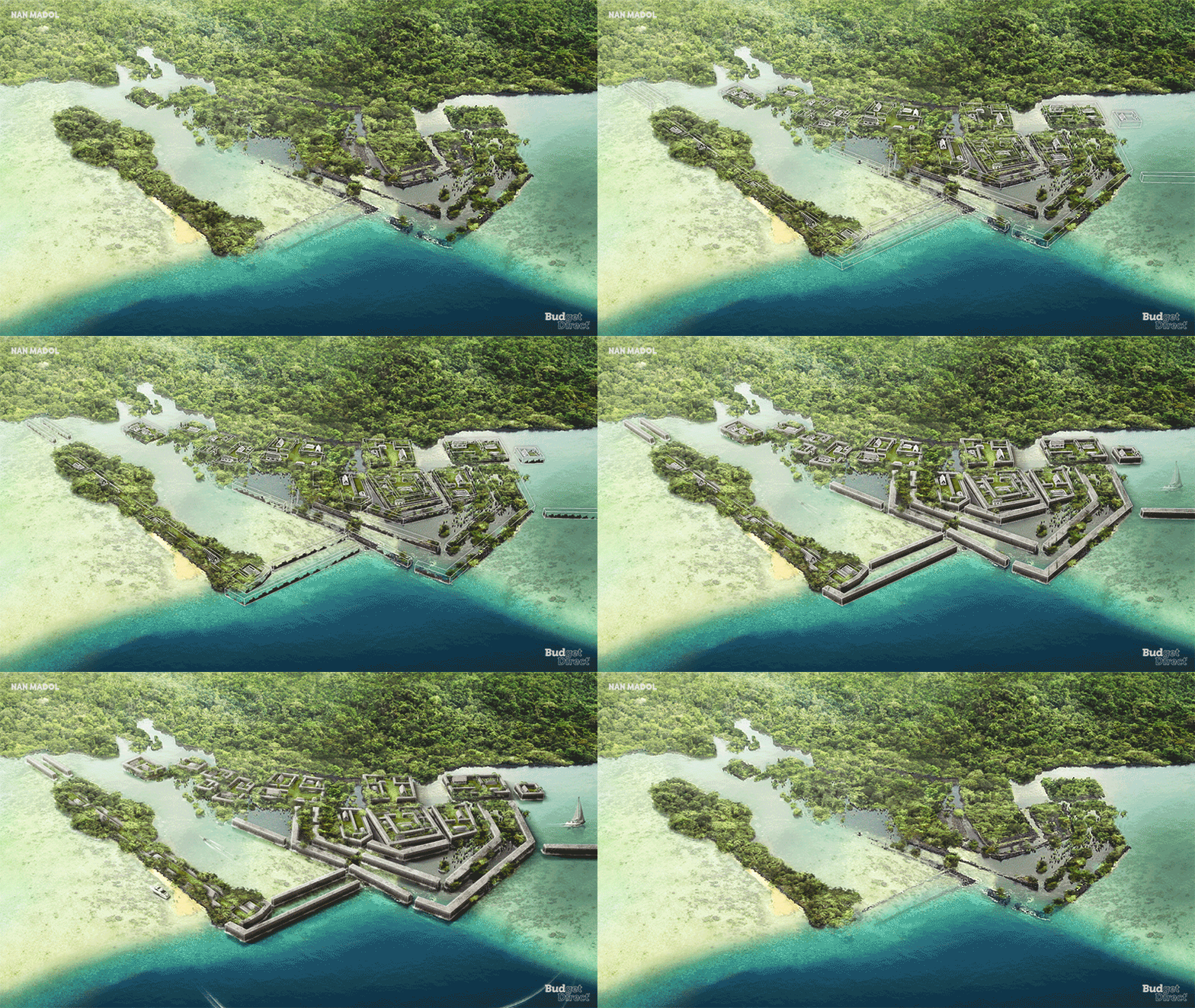
Nan Madol is an abandoned city built atop a lagoon that contains over 90 man-made islands and a canal system. The partially-sunken city, which thrived from 1200 to 1700, is often referred to as the “Venice of the Pacific”. Carbon dating estimates construction began in the 12th century (about the same time as Cambodia’s Angkor Wat), though little is known as to how the local Saudeleur population moved the heavy volcanic basalt rocks to create the stone palaces, temples and tombs of the lost water city.
The Old City of Jerusalem and its Walls (Jerusalem, Israel)
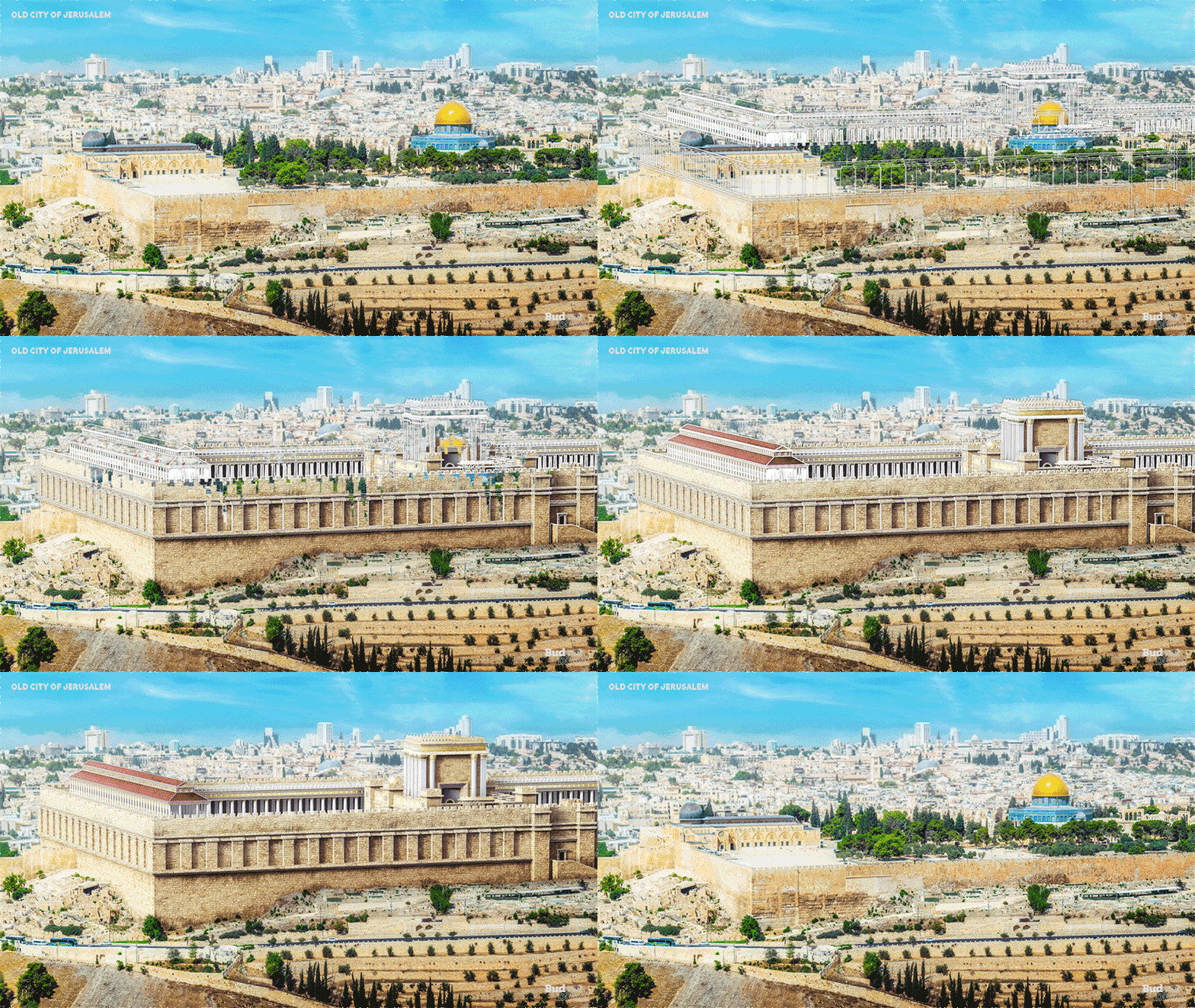
The Old City is a 0.35-square-mile walled area inside modern-day Jerusalem that contains some of the most important religious sites in the world, including the Temple Mount, the Al-Aqsa Mosque and the Church of the Holy Sepulchre. The limestone Wailing Wall dates back to Herod’s reconstruction of the Second Temple around 20BCE.
Portobelo-San Lorenzo Fortifications (Province of Colon, District of Cristobal, Panama)
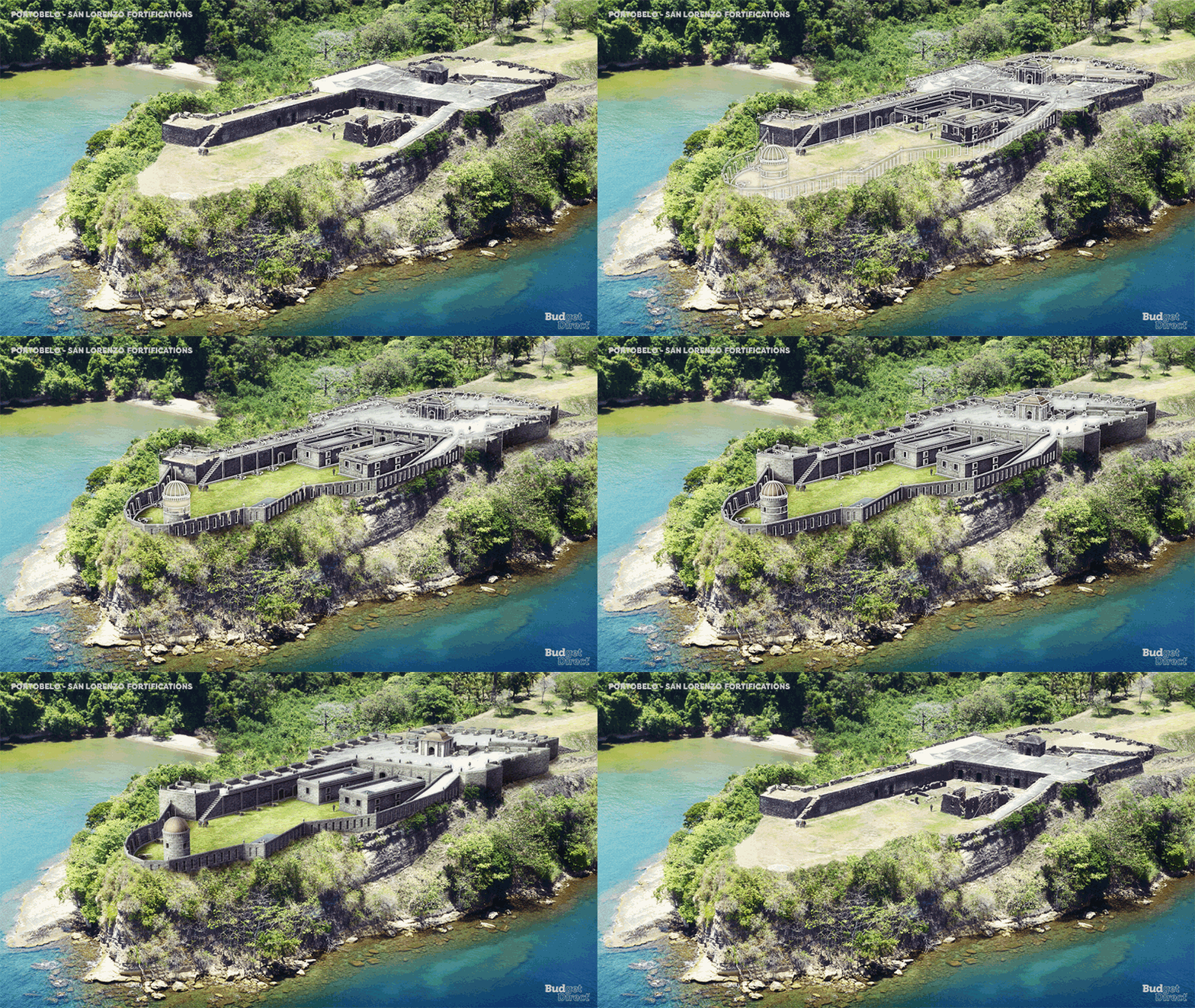
Located 50 miles apart on the Caribbean side of Panama’s coastline, the Portobelo and San Lorenzo military forts are referred to by UNESCO as “masterpieces of human creative genius.” Built by the Spanish Empire, both forts were once part of a vast system spanning from Cuba to Colombia, created to protect the commercial route between the Americas and Spain between the 16th and 18th centuries. The forts represented revolutionary military architecture at the time and were steeled to repeal attacks from raiders, pirates and buccaneers.
 Donate


Related Posts
The Road to Heaven: China’s Tianmen Mountain Big Gate Road Might Be the Craziest Drive on Earth
The Woman Who Walked Across a Continent Because She Missed Home: Lillian Alling’s Epic Journey
Castel Meur: The Little House Between the Rocks That Refuses to Be a Tourist Attraction
Every Year, the Sea Parts in Korea for a Short Time—A Natural Event Echoing Moses’ Story
The Vikings’ Legacy: Iceland’s Turf Houses – Hobbit Homes That Vanish Into the Landscape
Chariot Races and Hippodromes: Here Are the Best-Preserved Ones That Take You Right Back to Ancient Roman Times
There’s a Museum in Japan Dedicated to Stones That Look Like Faces: The Hall of Curious Rocks
Tigres Island – Angola’s Eerie Ghost Town Trapped in Time
Norway’s 800-Year-Old Borgund Stave Church Was Built Entirely of Wood, Using Viking Shipbuilding Techniques
A House, A Tree, and Not Much Else: Welcome to Just Room Enough Island