A long-sunken road re-emerges from the depth of history.
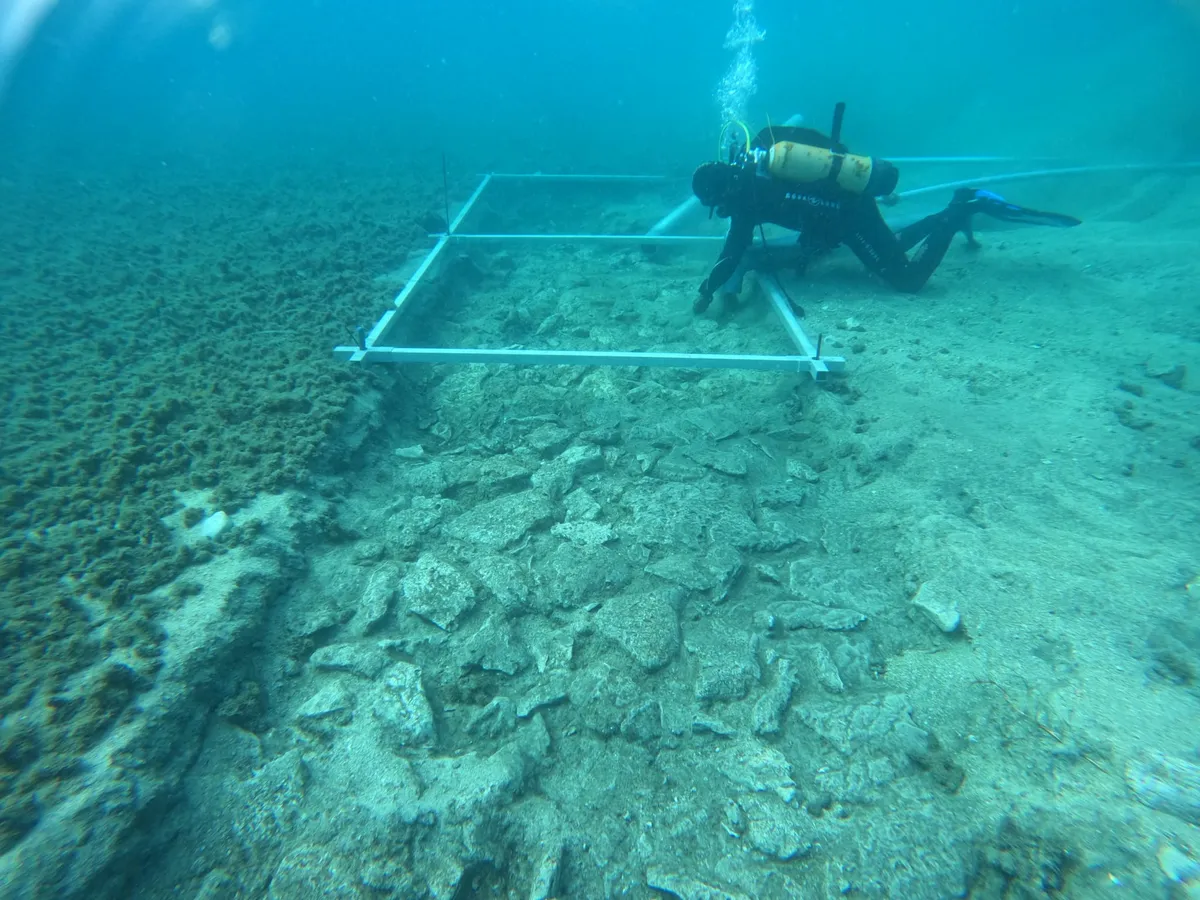
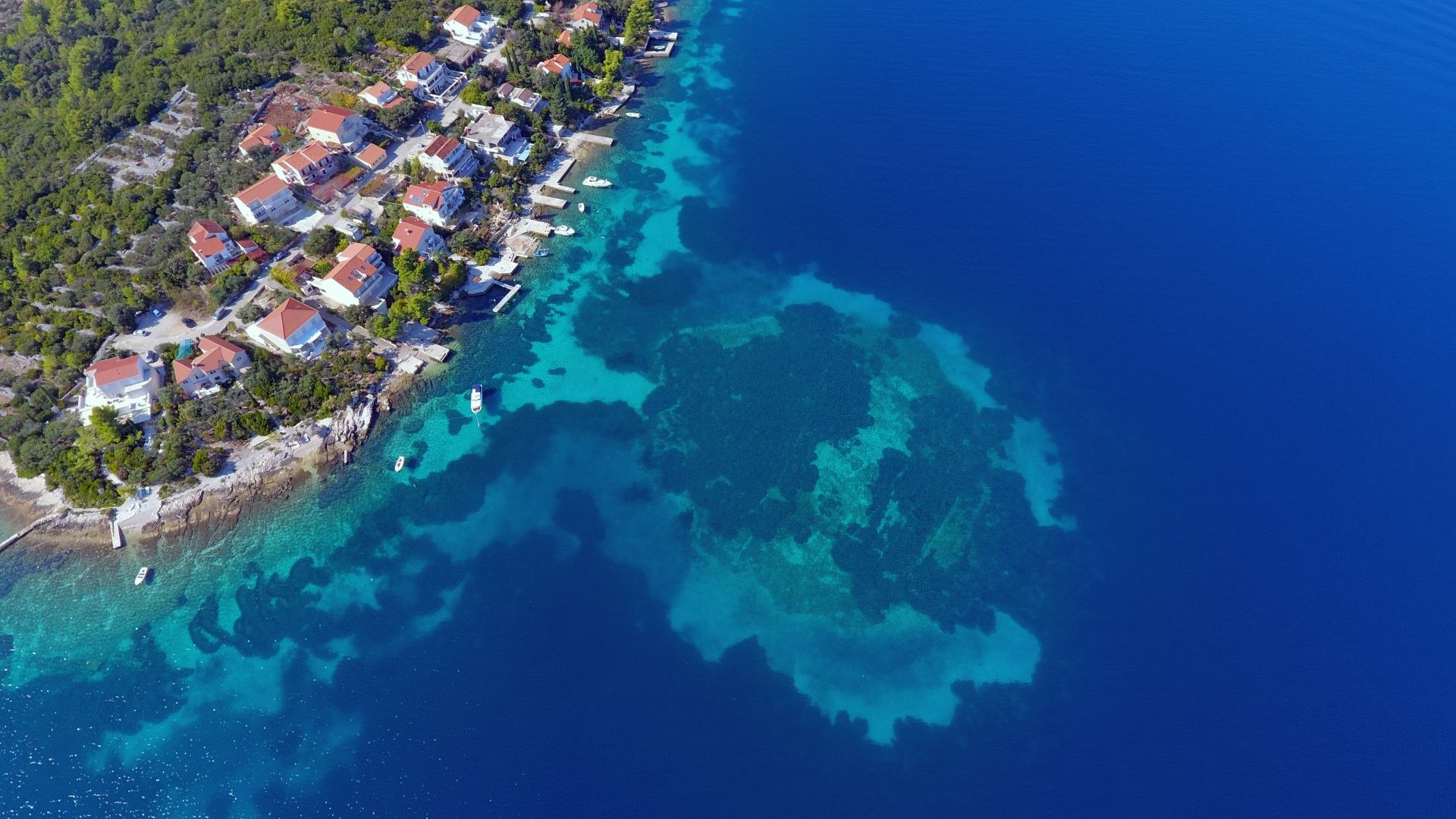
Archaeologists have found the preserved remnants of a Stone Age road at the ancient submerged site of Soline, located near the Croatian island of Korčula. The researchers reveal that this ancient pathway, which dates back to the Neolithic period, used to connect the island to a settlement situated on an artificial landmass. However, the settlement now rests approximately 4 to 5 meters (13 to 16 feet) below the surface of the Adriatic Sea in the Mediterranean.
University of Zadar professor Mate Parica spotted the settlement of Solina back in 2021, while examining satellite images of Croatia’s coastline.
“I thought: maybe it is natural, maybe not,” he said back then.
The image showed a substantial and shallow expanse extending from the eastern coastline of Korčula Island. Motivated by curiosity, Parica and his colleague embarked on a diving expedition to investigate further. Their exploration led them to the remarkable finding of what they believe to be a Neolithic settlement constructed on a small parcel of land, connected to the main island by a narrow strip.
Now submerged, the settlement is believed to have been built by the Neolithic Hvar culture which once occupied the eastern Adriatic.
Although organic artifacts discovered in Soline have been carbon-dated to approximately 4,900 years ago, the researchers believe that the recently unearthed road predates them by several millennia. The road, constructed with meticulous placement of stone slabs and spanning about 4 meters in width (13 feet), was found concealed beneath layers of mud on the seafloor.
According to a statement by the University of Zadar, the ancient road, which linked Soline to Korčula, is believed to have been operational approximately 7,000 years ago. The paved pathway, along with the rest of the settlement, has remarkably endured for millennia. This resilience can be attributed to the protective nature of the Croatian coast, characterized by numerous islands that act as a barrier against powerful waves.
During the announcement of the Neolithic road’s discovery, researchers shared additional information about their ongoing survey in Gradina Bay, located on the opposite side of Korčula. The team has made a significant revelation, as they have identified a second submerged settlement in the same vicinity as Soline, at a comparable depth. Remarkably, this newly found site bears a striking resemblance to the one uncovered two years ago.
The preliminary excavations conducted at these submerged ruins have yielded a wealth of Stone Age artifacts, such as flint blades, stone axes, and fragments of millstones. Similar to the findings at Soline, these newly unearthed items are believed to be linked to the Hvar culture.
 Donate


Related Posts
22,000 Years Ago, Aboriginal Miners Descended 70 Metres Into Koonalda Cave to Gather Flint in Complete Natural Darkness
How the Babylonians Counted to 60 Using Their Hands and Changed Mathematics Forever
Ötzi the Iceman: New Clues Reveal a Different Story Behind His Death
The First Archaeologists of Ancient Egypt Were Ancient Egyptians Themselves
The Road to Heaven: China’s Tianmen Mountain Big Gate Road Might Be the Craziest Drive on Earth
Nördlingen, the Medieval German Town Built from Diamonds in a Meteorite Crater
Island in Lake on Island in Lake on Island in Lake: This Is the World’s Only 5th Order Recursive Island
500 Days in Darkness: The Long-Buried Story of Priest’s Grotto, a Holocaust Refuge in One of the World’s Longest Caves
Kutkhiny Baty: The Place That Nature Made to Look Unnatural
How the Last Knight Challenged the Nazi Army Like Don Quixote: The Incredible Story of Josef Menčík