There are special 3D images that can be viewed without 3D glasses. This technique is called ‘free-viewing.’ Here, you can learn about it and try it for yourself.

In my hometown, Magic Eye stereograms hit the streets in the ’90s. I remember seeing prints of them being sold, with vendors teaching passersby how to view them. Everywhere you looked, people were staring into them from a few feet away, right in the middle of the pavement. Ah, the good ol’ days… But how do these magical 3D images work, and how do you actually see them?
Unlike horses and many other animals, humans have eyes positioned side by side at the front of their heads. This close placement allows each eye to capture the same area from a slightly different perspective. While both eyes share many similarities, each one gathers visual details that the other does not.
Each eye captures its own unique view, sending two separate images to the brain for processing. When these images reach the back of the brain at the same time, they are merged into a single picture by aligning similarities and incorporating small differences. These slight variations between the images create a significant impact on the final perception. The result is more than just a simple combination—it forms a three-dimensional stereo image.

Stereo vision allows you to perceive objects as solid in three spatial dimensions—width, height, and depth, or x, y, and z. The ability to perceive depth is what makes stereo vision uniquely rich and immersive.
How to view a 3D Stereogram
Normally, when we view or read something on a computer monitor, we direct our eyes straight at its surface, like this:
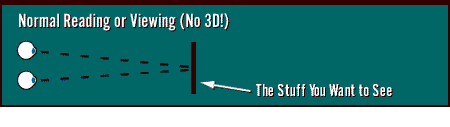
In the parallel viewing method, also known as the divergence or Magic Eye method, your eyes’ lines of sight shift outward toward parallel and converge at a point far beyond the image. When using this technique, the muscles inside your eyes that control the focusing lens relax and extend.

Another method for viewing 3D images is called cross-viewing, or the cross-eyed method. In this approach, you direct your eyes so that their lines of sight intersect just in front of the image. When using cross-viewing, the muscles controlling the focusing lens in your eyes contract and shorten. Just be careful not to strain too much!

If you’re not used to viewing stereograms, it may take some time to properly see 3D images. However, with practice, you can get the hang of it. The first time I tried looking at a stereogram, it took me nearly an hour to properly focus my eyes and see the 3D image.
For me, the best and simplest instruction I received was this: “You have to kind of look behind the image for a while and not focus your eyes on it.” It might work for you too.
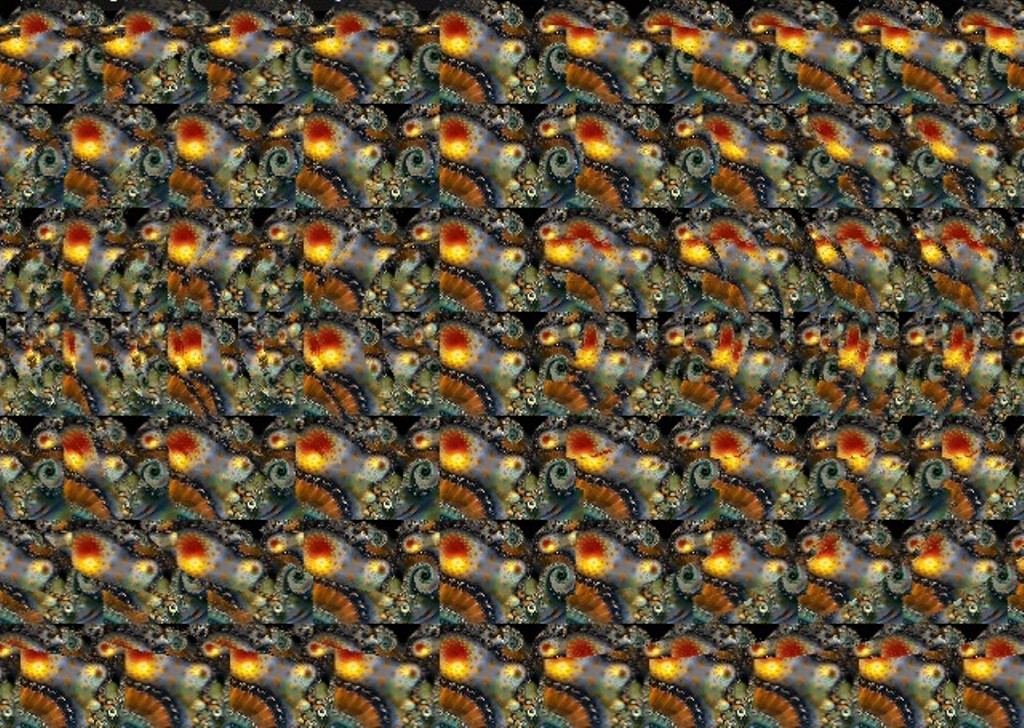
Anyway, let’s start with the easier ones:


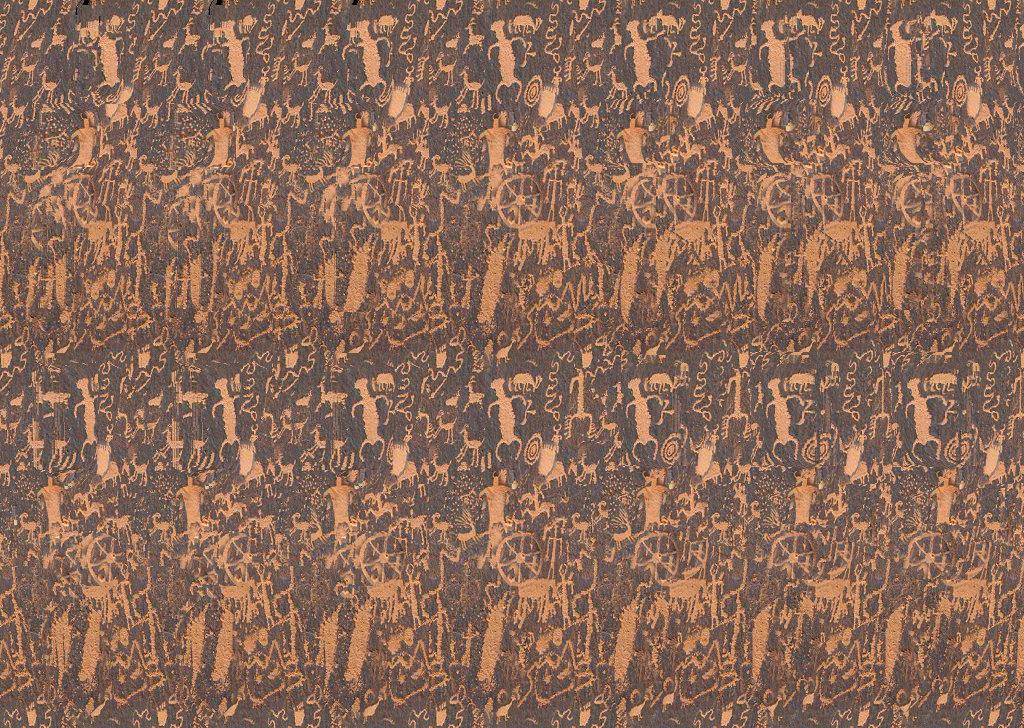
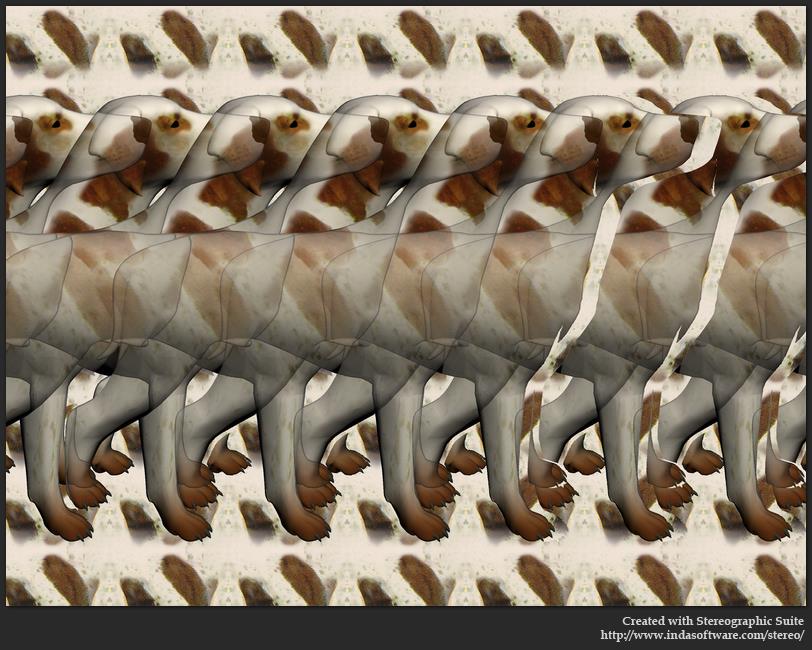
And here are the somewhat trickier ones that take a bit more gazing:




 Donate


Wow, these are amazing!
Just kidding, I don’t see anything. These have never worked for me.
AMAZING! COMES RIGHT IN MY FACE!
WOW! THIS IS AMAZING!!11!1!! IT ALL COMES RIGHT IN MY FACE! JUST LIKE I WANT IT!
Hi
Where can i find the answers?
i love kokichi ouma
AMAZING!!!
These are the best I have ever seen! Thanks for posting. They come right up to my face, awesome!
Thanks for sharing the beautiful stereograms.