In 1996, archaeologists in Gibraltar found a burial site in a cave that included a human skull. They knew it was was very old, since it was discovered under layers of sediment containing fish, bird, and mammal bones and carved flint objects. So they decided to ‘resurrect’ it.
When the skull was discovered in 1996, archaeologists could not gather much information from it, not least due to Gibraltar’s humid climate, which makes DNA deteriorate quickly. At that time, DNA analysis was in its infancy, making extracting useful genetic material unlikely. Also, there was some damage done to the skull, which made it even more difficult to study.
So, all odds were against us recreating Calpeia’s physiognomy – this is how scientists named her after the classical term for Gibraltar, known in ancient times as Mons Calpe. However, in the ensuing decades the study of ancient DNA made great strides. In 2019, Science published the genome analysis of 271 inhabitants of Spain, Gibraltar, and Portugal, including the 1996 skull, after researchers at Harvard Medical School were able to extract viable samples of ancient DNA.
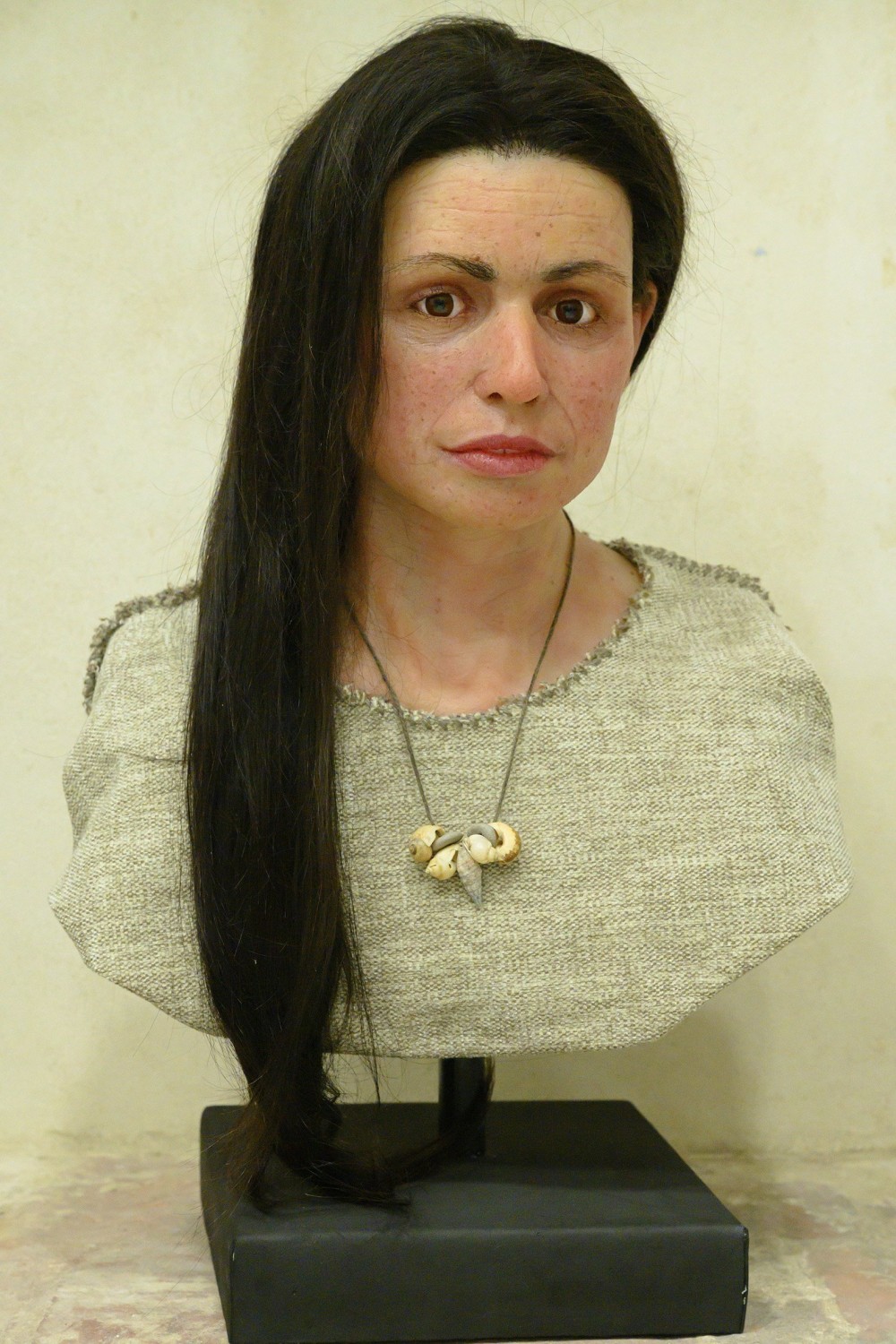
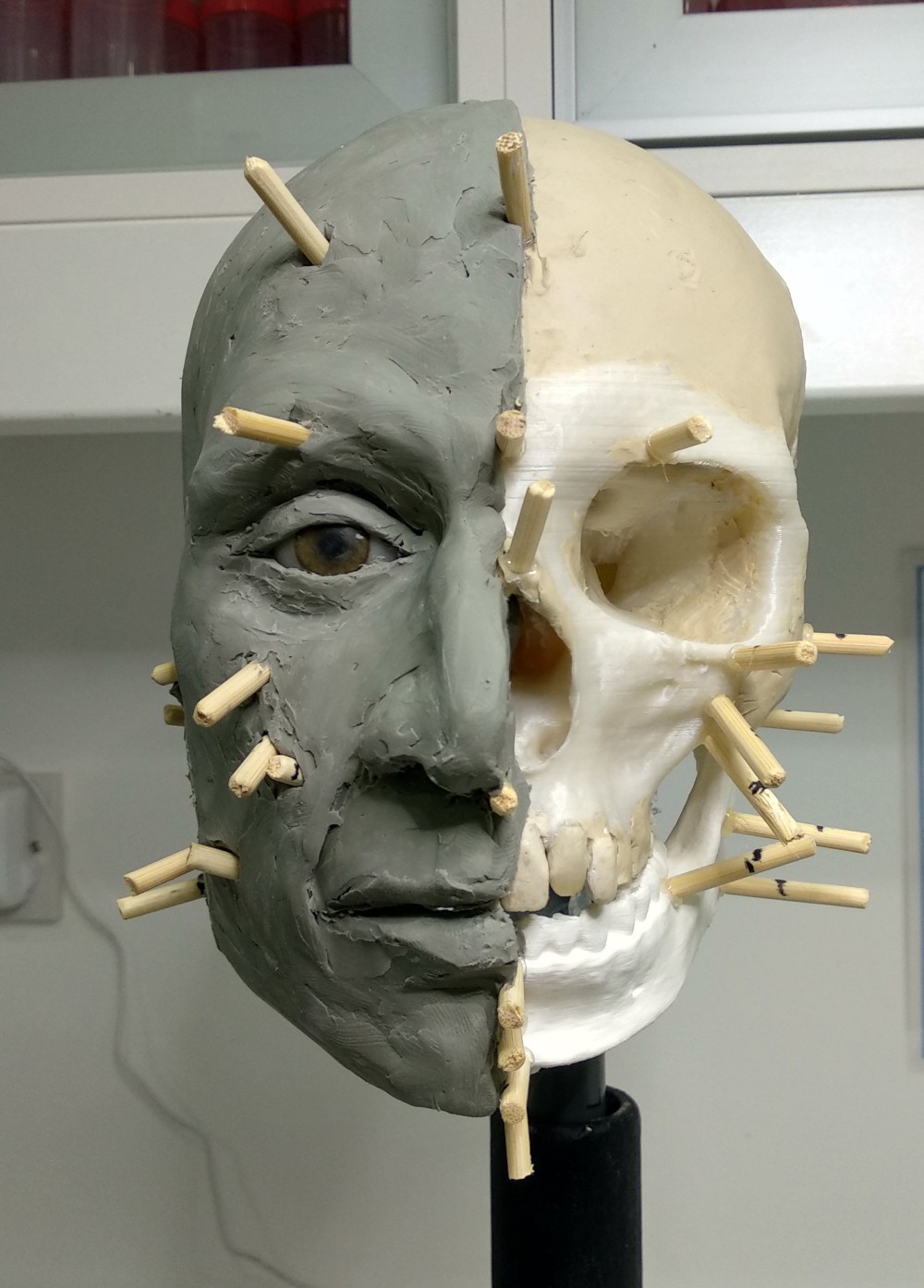
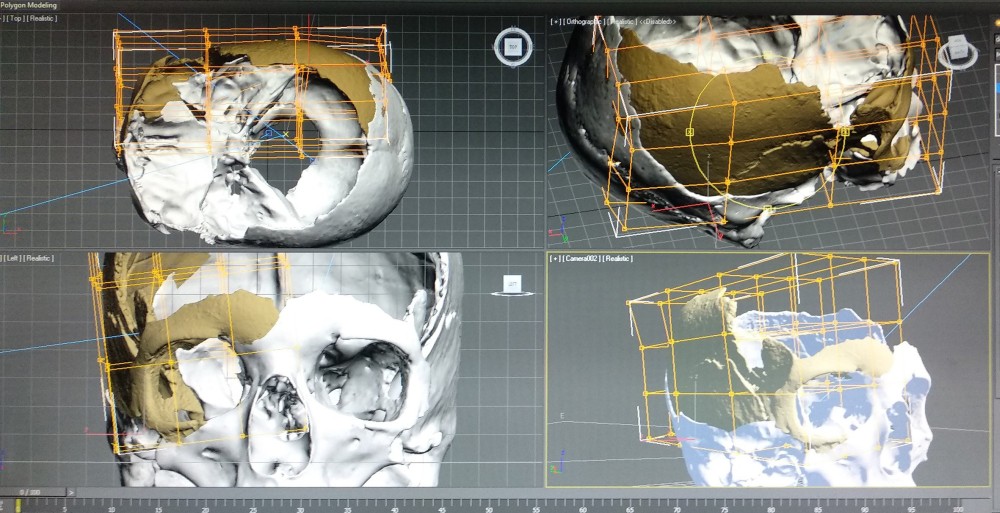
The Gibraltar National Museum then proceeded to create a forensic anatomical reconstruction of Calpeia’s face. They scanned her broken bones and utilized 3D cloning and restitution programs to recreate missing and damaged portions, including her jaw. The team combined the data from the scans with the results of the genetic analysis, and then spent six months to create a striking, lifelike visage of her.
According to the DNA analysis, which was rather telling, the skull belonged to a woman who lived around 5400 B.C., that is, many millennia after the Neanderthals of Gibraltar had become extinct. Calpeia was light-skinned, slightly built, and had dark hair and eyes. She was also lactose intolerant, which is a common trait for that period and indicates that dairy farming was most likely not part of her culture.
Calpeia lived in the later Neolithic period, about 7,500 years ago – at a time when agriculture and raising livestock were gaining ground across the Iberian Peninsula, replacing the old hunter-gatherer model. Her age at death cannot be determined precisely from the skull, but her cranial sutures (the fibrous joints connecting the bones of the skull) suggest that she was an adult, somewhere between 25 and 40 years of age. Calpeia’s skull had been deformed after her burial, so scientists reshaped a scanned copy of it complete the missing areas.
Now here’s to the most exciting part: The research team was thrilled when the DNA analysis revealed that only 10 percent of Calpeia’s genome comes from the population found in the Iberian Peninsula. The remaining 90 percent has its origin in Anatolia, modern-day Turkey, where farmers during the Neolithic period had a high percentage of genes that result in dark eyes and light skin. By contrast, hunter-gatherers living in central and western Europe at the time show genetic markers for dark skin and light eyes.
The high proportion of Anatolian components in Calpeia’s DNA suggest the recency of her Anatolian origins. Most likely, her parents or very recent ancestors journeyed from Anatolia to Gibraltar by sea.
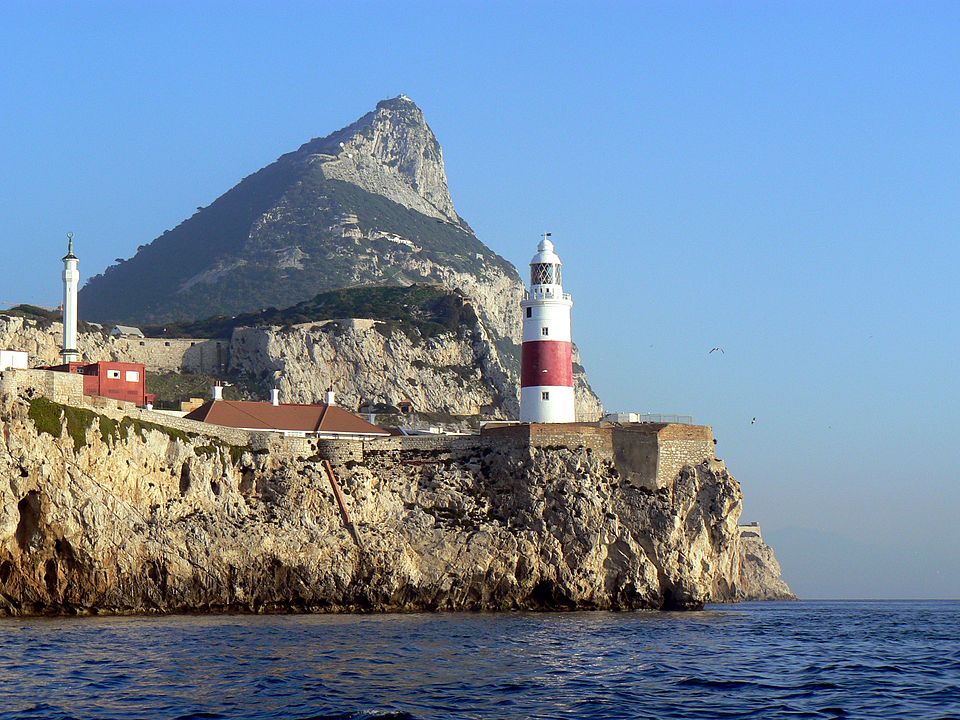
Had Calpeia traveled by land, her journey westward would have taken years, or even generations. Her family’s DNA would have mixed with local populations along the way, and Calpeia’s genome would have been more diverse.
Other analyses of genes of individuals from the Mediterranean island of Sardinia also tend to find a high proportion of Anatolian genes, bolstering the theory that Anatolians explored the west over the Mediterranean.
So many things a skull can tell.
 Donate


Related Posts
Meet Lanmaoa asiatica: The Mushroom That Can Make You See Little People
How the Babylonians Counted to 60 Using Their Hands and Changed Mathematics Forever
Out the Window at Midnight: Furniture, Bathtubs, and a Neapolitan New Year
Love in a Bottle: A Note at Sea That Changed Two Lives
Ötzi the Iceman: New Clues Reveal a Different Story Behind His Death
The First Archaeologists of Ancient Egypt Were Ancient Egyptians Themselves
When a Group of Drunk Guys Drove a Soviet Tank Through a Polish Town to Buy Beer
Scientists Painted Cows Like Zebras — and It Cut Fly Landings by Half
The Man Who Outsprinted Time: The Incredible Story of Gustaf Håkansson, the “Steel Grandpa”
‘Dark Oxygen’ Found on Ocean Floor Challenges What We Thought About Life’s Origins