Mars is the next frontier for human exploration. The red planet offers many scientific and technological challenges, but also many opportunities for discovery and innovation. But who should be the first to set foot on Mars? As confirmed by a new study, women astronauts could be better suited for the historic mission than men, for several reasons.
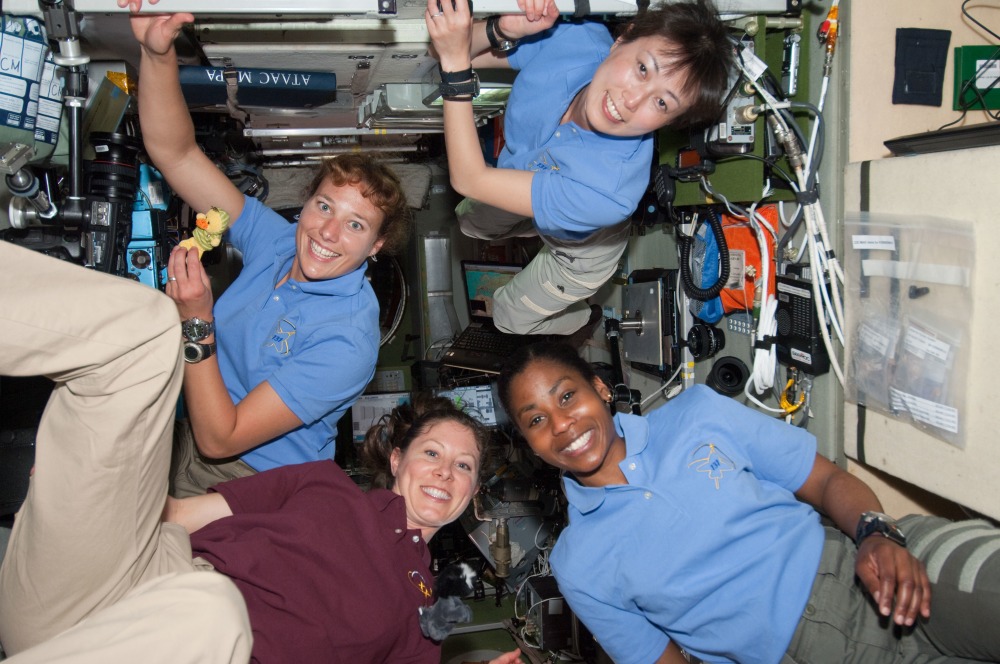
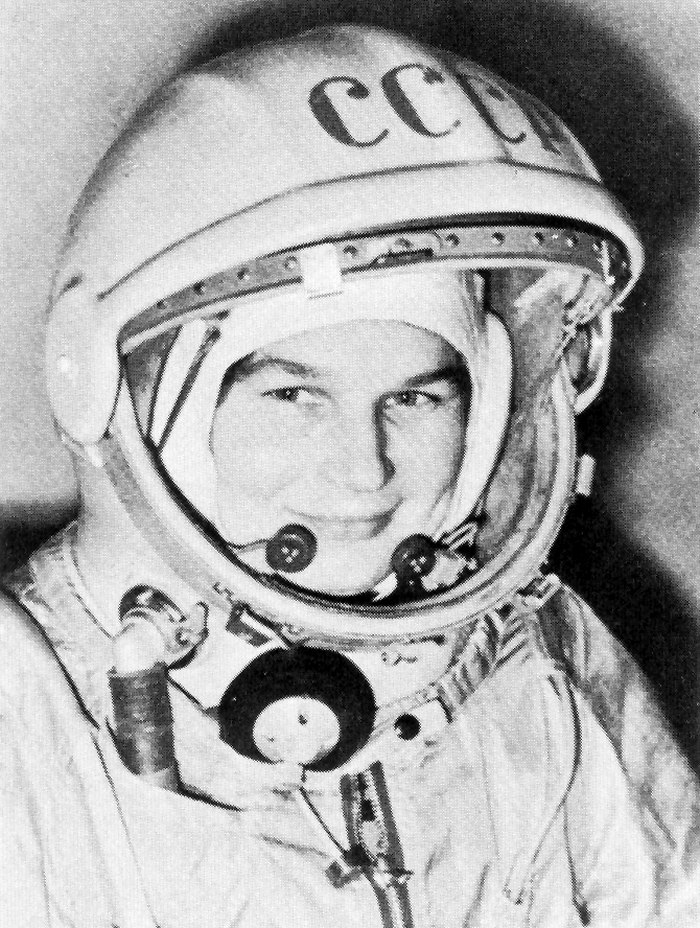
Women have a long and distinguished history of spaceflight, dating back to 1963 when Valentina Tereshkova became the first woman in space. Since then, 71 women have flown in space, including 44 who have visited the International Space Station.
Women have performed spacewalks, commanded space shuttles and space stations, and spent months in orbit as long-duration crew members.
Identifying suitable individuals for a mission to Mars can prove to be quite a challenge. The selected candidates must be mentally and emotionally prepared to undertake the immense risk of never coming back, they should be willing to endure the constraints of being in a confined spacecraft for approximately seven months, and they must possess a level of specialized expertise that surpasses that of most professions on Earth.
Women have proven their abilities and resilience in the harsh environment of space, but there are other reason why they could be a better candidate for the task than men.
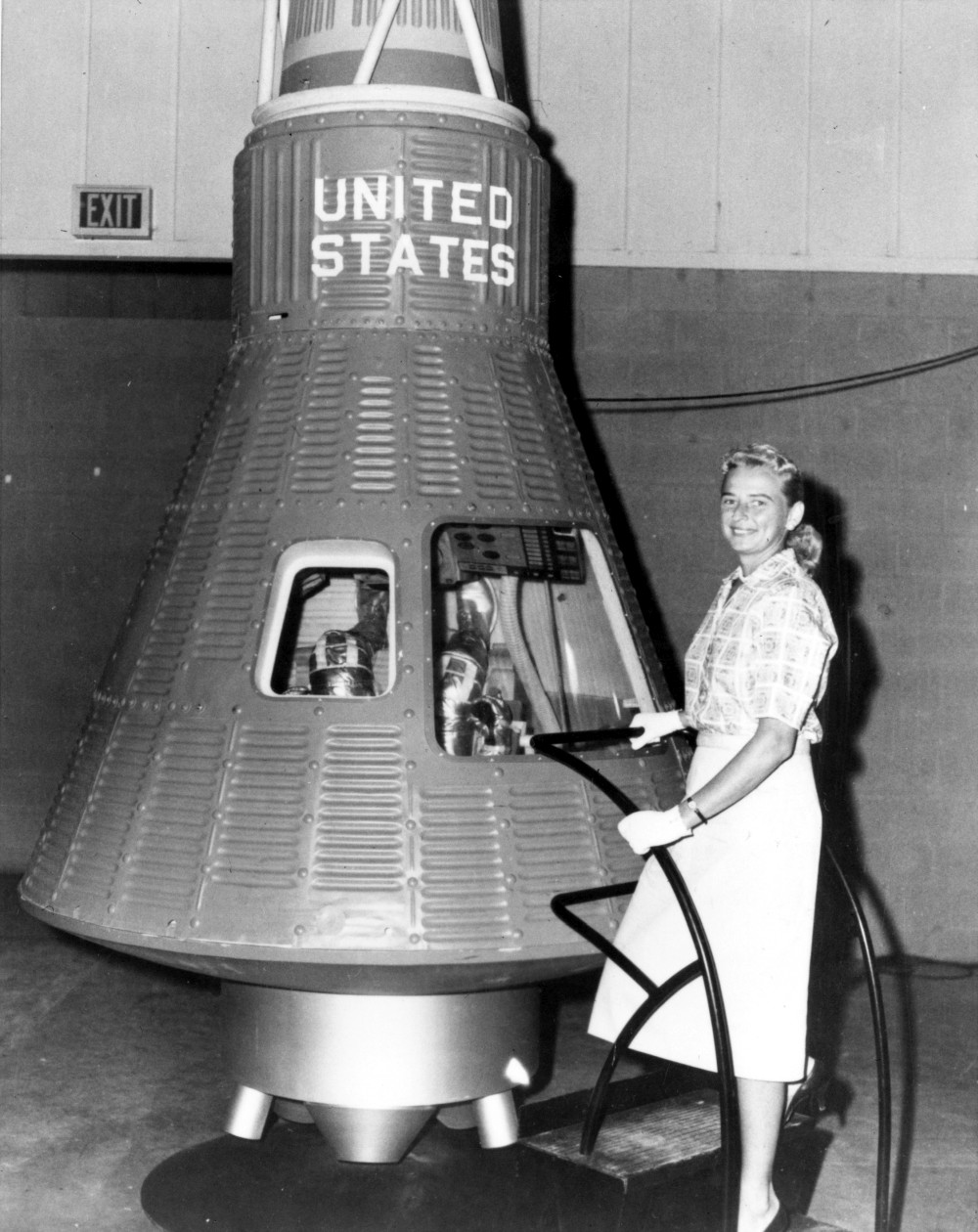
First and foremost, women have unique advantages over men in terms in terms of physical and psychological health – and we already knew this back in the ’50s, when NASA’s Special Committee on Life Sciences (unsuccessfully) advocated for female astronauts through the Lovelace Woman in Space Program, citing that women are more suitable for space travel than their male counterparts in nearly every aspect.
Among the reasons listed was that women tend to have smaller and lighter bodies, which necessitate less oxygen and fewer calories, thereby conserving weight and resources. Furthermore, their reproductive systems are believed to be more shielded from radiation, unlike men whose testicles are situated outside the body, making them vulnerable to radiation exposure. Additionally, women are less susceptible to heart attacks compared to men. In summary, women necessitate fewer resources and less space, and are more likely to return from space in a healthier state.
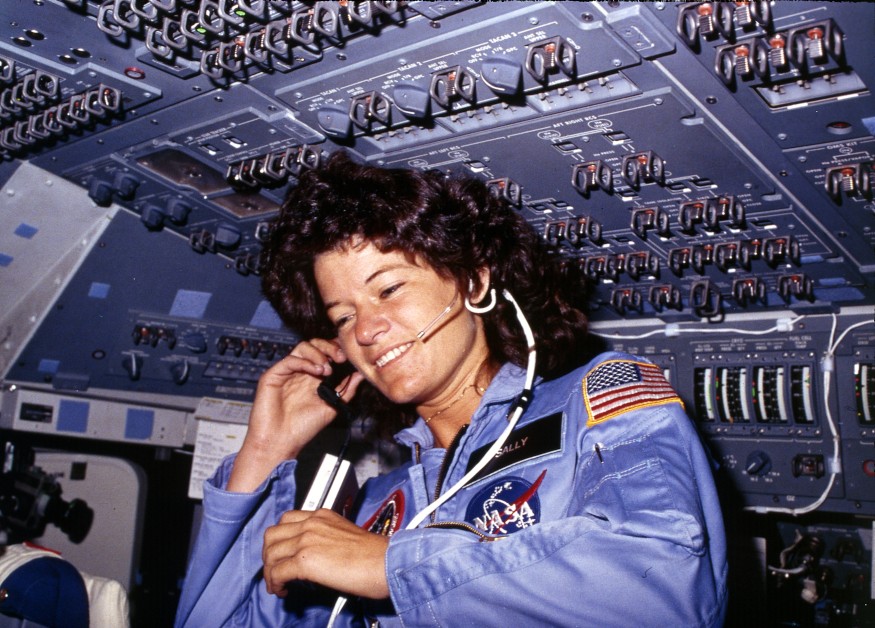
Despite these findings, American women were barred from space exploration until Sally Ride’s celebrated spaceflight in 1983. After all, the 1950s weren’t known for gender equality, and even in the succeeding two decades, only men were chosen for space flight for similar reasons.
Nevertheless, a new study by the European Space Agency has now confirmed those 70-year-old findings by Lovelace, demonstrating that female astronauts have lower water requirements for hydration, total energy expenditure, oxygen consumption, carbon dioxide and metabolic heat production during space exploration missions compared to their male counterparts.
In the case of male astronauts, a significant increase in all measures can be attributed to their body size alone, as total energy expenditure escalates by 30%, oxygen consumption by 60%, carbon dioxide production by 60%, and water requirements by 17%. This means that an all-female crew would save a significant amount of space, weight, energy and money on a long-duration mission to Mars.
Women also tend to cope better with stress, isolation and conflict, which are inevitable challenges of a Mars mission. According to a study that looked at 824 commander reports from the Mars Desert Research Station in Utah, women are more likely to show mutual support, motivation and positive emotions, while men tend to focus on team spirit, loyalty and accomplishments. Both sexes were still heavily task-oriented, but the study suggested that female leaders may be more adaptable and resilient in challenging situations.

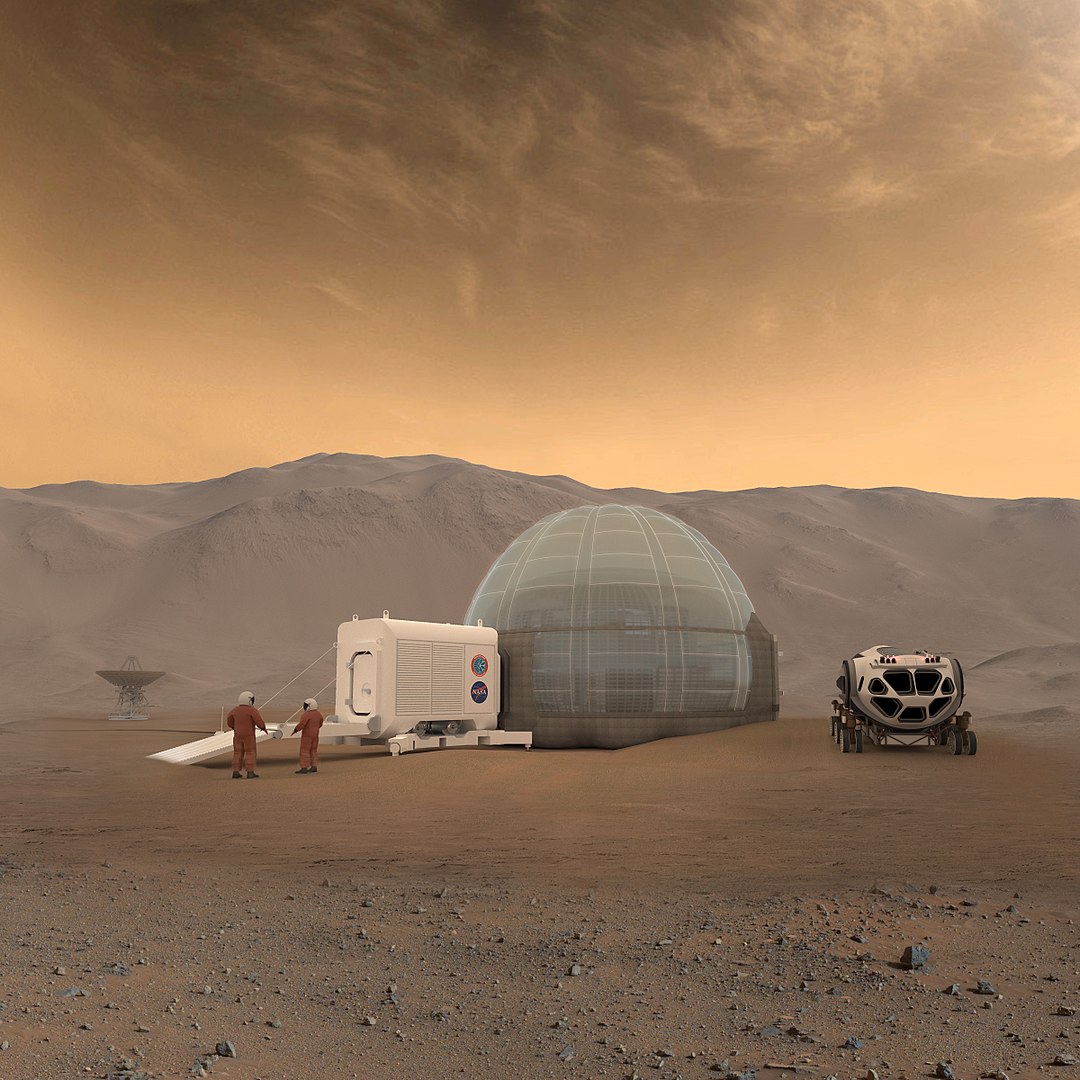
Combined with the push towards more compact Mars habitat modules, the data available indicates that all-female teams could prove extremely beneficial for the first Mars touchdown. Considering the spacecraft’s seven-month journey and the fact that the sole resupply stations are located 264.72 million kilometers (164.5 million miles) away on Earth, even the slightest improvements in efficiency are crucial, and it’s plausible that female astronauts could offer a solution.
 Donate


Related Posts
The Best View of the Distant Universe Ever Captured Shows Galaxies From Over 13 Billion Years Ago
Mesmerizing Timelapse Reveals Jupiter’s Cloud Belts Moving at Different Speeds and Directions
First Images from Titan: The Only Photos Ever Taken from the Surface of Another Moon
What Is This Strange Square on Mars Everybody’s Talking About, and Are There Other Man-Made Looking Structures?
The Himalayas from Space: Stunning Views of Earth’s Tallest Peaks Like You’ve Never Seen Before
Chirstmas Tree and Christmas Lights: NASA Space Telescopes Show What the Festive Season Looks Like in Space
The Day Siberia Was Set Ablaze: The Mysterious Tunguska Event and How Close We’ve Gotten to Explaining It
Apollo Astronauts Left Bags of Poop on the Moon and We Need to Get Them Back
The Most Beautiful Meteorite Ever Found? The Cosmic Appeal of the Fukang Pallasite
The Wow! Signal: When We Got an Extraterrestrial Message From Space